Honestly, the word that is insanely overused in the text is, “Okay.” For example, in this conversation between the father and the boy, they say the word, “okay”, too many times, “So we’ll be warm. Yes. Okay. Okay what? Nothing. Just okay. Go to sleep. Okay. I’m going to blow out the lamp. Is that okay? Yes. That’s okay” (McCarthy, 10). In this one, little conversation they state the word, “okay”, 6 times. It just sounds so robotic. I mean, obviously the word “okay” isn’t the most thought-provoking, inspiring word and in the end, it is definitely overused. I feel this word impacts the text by it making the text itself seem so bland, blank, and just overall a boring drag. When I read that conversation the first time I laughed because I thought, “Wow, this is horrible writing.” So noticeably, the word impacted the text because it impacted me, and made me think about the book as a whole and the author himself. That quote from the book was the worst out of all of them when it came to using the word “okay” but there are many other examples throughout the book where the word is sometimes almost unnecessary. For example, “There's nothing we could have done. He's going to die. We can't share what we have or we'll die too. I know. So when are you going to talk to me again? I'm talking now. Are you sure? Yes. Okay. Okay” (McCarthy, 52). So honestly, did the word “okay” have to be used twice? No, it did not. I feel it’s as if McCarthy was just trying to add more letters into his book to make it seem longer. In conclusion, “okay”, is completely and utterly overused.
I think the word “gray” is used extensively throughout the novel and other words that are closely related to it, such as darkness, coldness, empty, barren, etc. The authors choice to include these words (especially gray) frequently impacts the book because it sets the mood of the novel and it gives the readers a strong sense of imagery of what the scene is like. For example: "He stood and looked out the window. GRAY trampled grass. GRAY snow." (McCarthy 108), "the shape of a city stood in the grayness like a charcoal drawing" (McCarthy 8), and "...falling eighty feet through a gray shroud of mist" (McCarthy 37). The color gray usually means emotionless, dull, loss, and timeless. All these words associate with how the world is in The Road—completely destroyed. The characters loss everything and they just travel on the road trying to survive the dead, dull, and ash-filled world. The author purposefully describes multiple things with gray to strum up the idea and atmosphere of the dead and the loss of the whole world is emphasized and evident in the text with the authors diction. I think the author used this technique of writing to allow the readers to connect deeply to the story more, making them feel as if they are actually experiencing and seeing what happens. When I was reading the novel, the mood I got from it was desolate, cold, and somber. I felt the mood to be this way because of the repetitive use of the word gray. Also, it impacted the novel because it created a melancholy tone.
Thank you Abby and Tho for giving me a different perspective of how some of the words in the text impact the story. Your comments have also increased my understanding of why the author used the words in the story. A comment that has caught my attention from Tho is "He stood and looked out the window. GRAY trampled grass. GRAY snow" (McCarthy 108). She commented that the word “gray” has been used frequently in the text. This made me realize that from Tho’s comment, the word gray in the text brings an impact where the setting takes place in the story. This gives me the understanding that one of the uses for the word gray was to bring a mood for the where the characters are in the story. A quote that follows up this passage says, “He woke before dawn and watched the gray day break. Slow and half opaque. He rose while the boy slept and pulled on his shoes and wrapped in his blanket he walked out through the trees…” (McCarthy 10). To me the word “gray” has impacted the text by the what the character’s feel in the story because in the quote it said “Slow and half opaque” (McCarthy 10). This shows how the character felt in the text. The word “gray” that has been shown throughout the story has given a mood to how the characters in the story feel. Another good point was brought up by Abby when she said “So we’ll be warm. Yes. Okay. Okay what? Nothing. Just okay. Go to sleep. Okay. I’m going to blow out the lamp. Is that okay? Yes. That’s okay” (McCarthy, 10). She said that the word “okay” has been overused in the quote and I agree. Abby also said that this impacts the text by making it sound bland. This comment came to my attention because as simple as the word “okay” is, it has shown more than once. A quote that follows this up is “... Okay. You wanted to know what the bad guys looked like. Now you know ...” (McCarthy 78). From the quote the word “okay” has shown up again. I think the word brings an idea of the vocabulary usage of what the character’s in the story have.

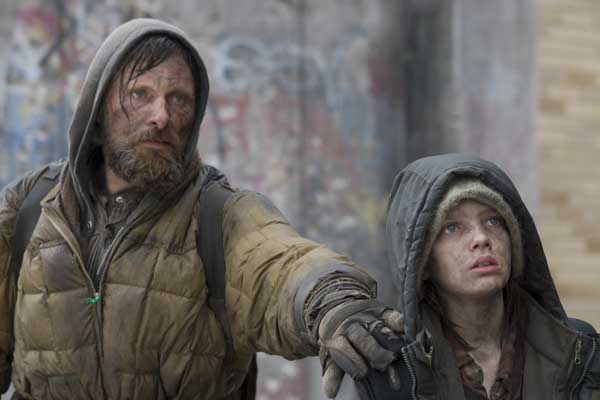


Honestly, the word that is insanely overused in the text is, “Okay.” For example, in this conversation between the father and the boy, they say the word, “okay”, too many times, “So we’ll be warm. Yes. Okay. Okay what? Nothing. Just okay. Go to sleep. Okay. I’m going to blow out the lamp. Is that okay? Yes. That’s okay” (McCarthy, 10). In this one, little conversation they state the word, “okay”, 6 times. It just sounds so robotic. I mean, obviously the word “okay” isn’t the most thought-provoking, inspiring word and in the end, it is definitely overused. I feel this word impacts the text by it making the text itself seem so bland, blank, and just overall a boring drag. When I read that conversation the first time I laughed because I thought, “Wow, this is horrible writing.” So noticeably, the word impacted the text because it impacted me, and made me think about the book as a whole and the author himself. That quote from the book was the worst out of all of them when it came to using the word “okay” but there are many other examples throughout the book where the word is sometimes almost unnecessary. For example, “There's nothing we could have done. He's going to die. We can't share what we have or we'll die too. I know. So when are you going to talk to me again? I'm talking now. Are you sure? Yes. Okay. Okay” (McCarthy, 52). So honestly, did the word “okay” have to be used twice? No, it did not. I feel it’s as if McCarthy was just trying to add more letters into his book to make it seem longer. In conclusion, “okay”, is completely and utterly overused.
ReplyDelete
ReplyDeleteI think the word “gray” is used extensively throughout the novel and other words that are closely related to it, such as darkness, coldness, empty, barren, etc. The authors choice to include these words (especially gray) frequently impacts the book because it sets the mood of the novel and it gives the readers a strong sense of imagery of what the scene is like. For example: "He stood and looked out the window. GRAY trampled grass. GRAY snow." (McCarthy 108), "the shape of a city stood in the grayness like a charcoal drawing" (McCarthy 8), and "...falling eighty feet through a gray shroud of mist" (McCarthy 37). The color gray usually means emotionless, dull, loss, and timeless. All these words associate with how the world is in The Road—completely destroyed. The characters loss everything and they just travel on the road trying to survive the dead, dull, and ash-filled world. The author purposefully describes multiple things with gray to strum up the idea and atmosphere of the dead and the loss of the whole world is emphasized and evident in the text with the authors diction. I think the author used this technique of writing to allow the readers to connect deeply to the story more, making them feel as if they are actually experiencing and seeing what happens. When I was reading the novel, the mood I got from it was desolate, cold, and somber. I felt the mood to be this way because of the repetitive use of the word gray. Also, it impacted the novel because it created a melancholy tone.
Thank you Abby and Tho for giving me a different perspective of how some of the words in the text impact the story. Your comments have also increased my understanding of why the author used the words in the story. A comment that has caught my attention from Tho is "He stood and looked out the window. GRAY trampled grass. GRAY snow" (McCarthy 108). She commented that the word “gray” has been used frequently in the text. This made me realize that from Tho’s comment, the word gray in the text brings an impact where the setting takes place in the story. This gives me the understanding that one of the uses for the word gray was to bring a mood for the where the characters are in the story. A quote that follows up this passage says, “He woke before dawn and watched the gray day break. Slow and half opaque. He rose while the boy slept and pulled on his shoes and wrapped in his blanket he walked out through the trees…” (McCarthy 10). To me the word “gray” has impacted the text by the what the character’s feel in the story because in the quote it said “Slow and half opaque” (McCarthy 10). This shows how the character felt in the text. The word “gray” that has been shown throughout the story has given a mood to how the characters in the story feel. Another good point was brought up by Abby when she said “So we’ll be warm. Yes. Okay. Okay what? Nothing. Just okay. Go to sleep. Okay. I’m going to blow out the lamp. Is that okay? Yes. That’s okay” (McCarthy, 10). She said that the word “okay” has been overused in the quote and I agree. Abby also said that this impacts the text by making it sound bland. This comment came to my attention because as simple as the word “okay” is, it has shown more than once. A quote that follows this up is “... Okay. You wanted to know what the bad guys looked like. Now you know ...” (McCarthy 78). From the quote the word “okay” has shown up again. I think the word brings an idea of the vocabulary usage of what the character’s in the story have.
ReplyDelete